
Full or Blocked or Smelly Grease Trap?
Get Professional Grease Trap Cleaning Services in Kenya
Straight answers for restaurant owners, hotel kitchens, and facility managers — what it costs, how often you actually need it, and why NEMA cares. Omidrop Africa handles it end to end, with a disposal certificate every time.
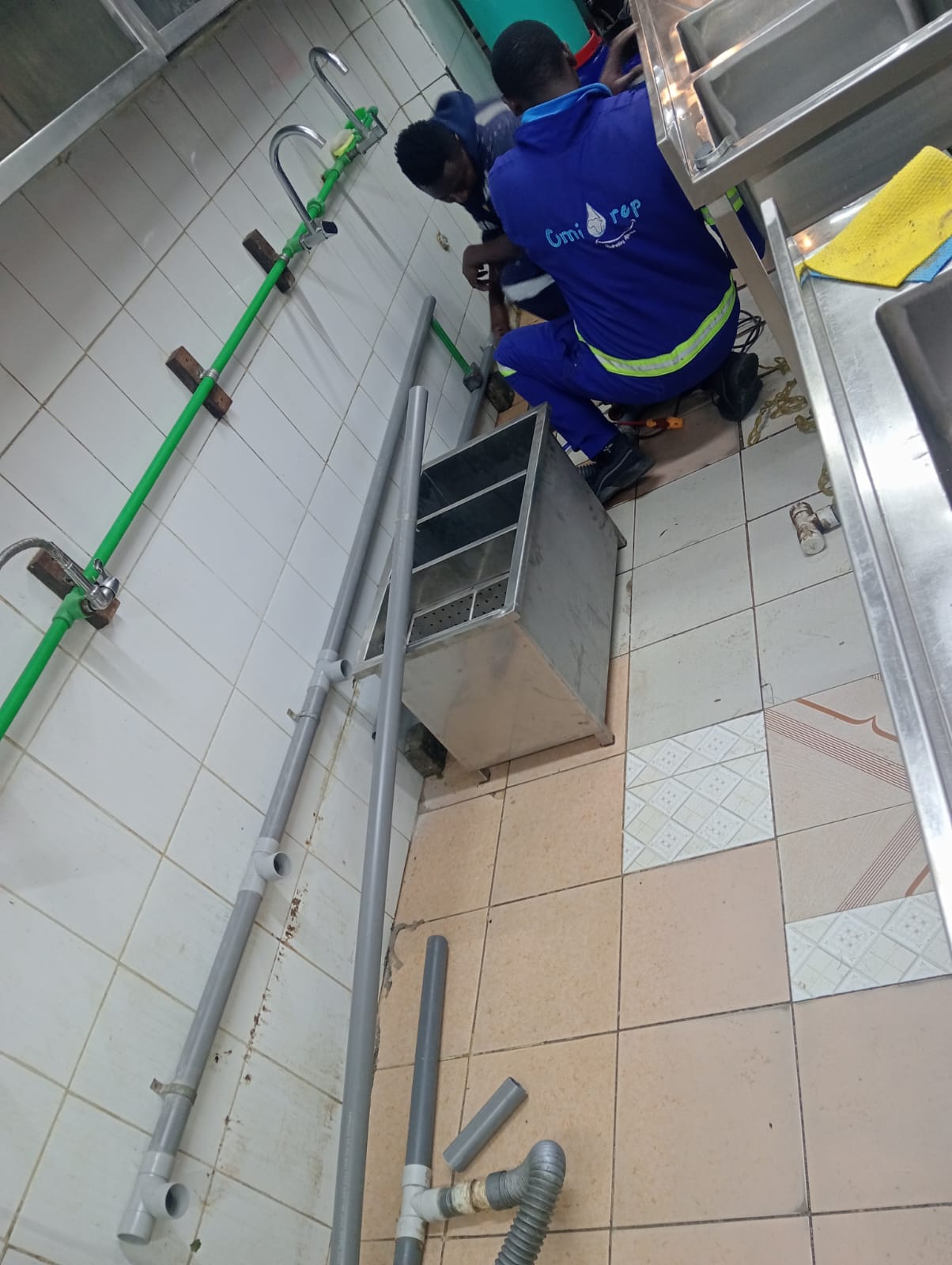
leaning and repair
What is grease trap cleaning, and why does it matter?
A grease trap (also called a grease interceptor) catches fats, oils, and grease (FOG) from kitchen wastewater before it reaches the sewer line. Over time, trapped grease solidifies and builds up, and once the trap fills past its working capacity, it stops doing its job — grease passes straight through into your drainage system.
Grease trap cleaning is the process of pumping out and disposing of that trapped waste, then degreasing the tank so it can keep filtering effectively. For any commercial kitchen in Kenya — restaurants, hotels, school kitchens, catering facilities — it's a recurring maintenance task, not a one-time fix.
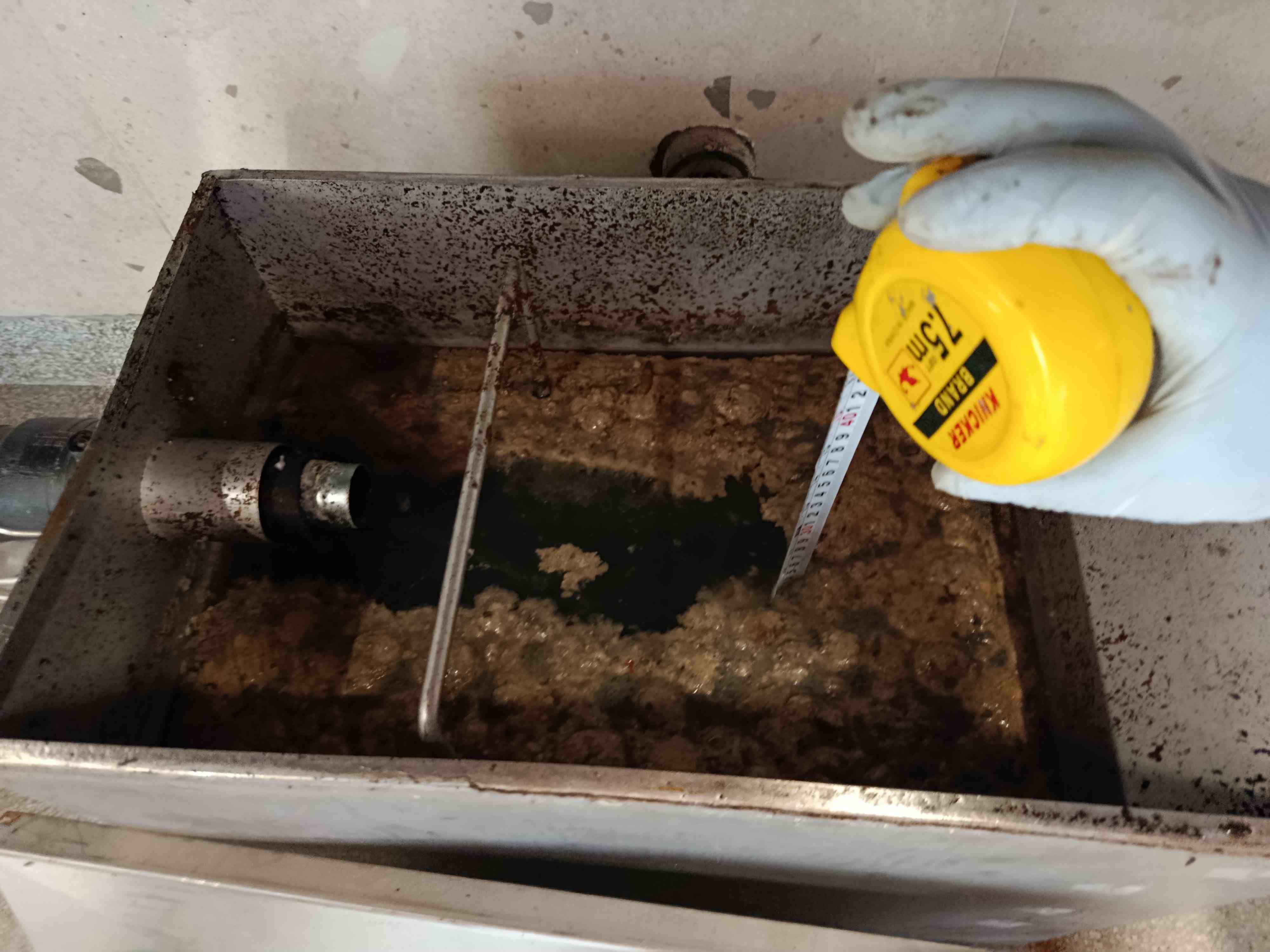
How a grease interceptor separates FOG from kitchen wastewater
How much does grease trap cleaning cost in Kenya?
Q What determines the price?
Three things: trap size, how much grease has built up, and how accessible the trap is on your site. A small under-sink interceptor at a café costs far less than a full-size in-ground trap at a hotel kitchen serving hundreds of covers a day.
Q Do you charge a flat rate or quote per job?
We quote per job after a short phone assessment or, for larger or unfamiliar sites, a quick site visit. You get a fixed price before we start — no surprise charges added once the truck is on site.
Q Is a service contract cheaper than one-off visits?
Yes. Kitchens on a recurring schedule (monthly or quarterly) pay less per visit than one-off emergency callouts, and it's the easiest way to avoid the overflow situations that cost more to fix.
How often should you clean a grease trap?
The short answer: before it reaches 25% capacity, which is the threshold most environmental health guidance in Kenya works from. In practice, that means:
High-volume kitchens — monthly
Fast food outlets, busy hotel restaurants, and large institutional kitchens producing heavy grease volumes daily.
Mid-volume kitchens — every 6–8 weeks
Standalone restaurants and cafés with consistent but moderate daily cooking output.
Low-volume kitchens — quarterly
Small kitchens, offices with light catering, or seasonal food service operations.
How do you know your grease trap needs cleaning now?
Is grease trap cleaning a legal requirement?
Q What does NEMA actually require?
Food service establishments are required to maintain a functioning grease interceptor and dispose of trapped waste through a licensed waste handler. County public health bylaws layer additional inspection requirements on top of this, especially for restaurant licensing renewals.
Q What happens if my kitchen is found non-compliant?
Inspectors can issue a compliance notice, a fine, or in repeat cases a closure order until the issue is resolved — which is far more costly than a scheduled cleaning would have been.
Q Do I get proof of proper disposal?
Yes. Omidrop Africa issues a waste disposal certificate after every job, so documentation is ready if an inspector asks for it during a licensing or routine visit.
What happens during a grease trap cleaning visit?
Book a slot
Call, WhatsApp, or request a callback. We schedule outside your peak service hours wherever possible.
Vacuum extraction
Our team pumps out trapped grease, solids, and wastewater using vacuum tanker equipment.
Degrease & inspect
The tank interior and baffles are cleaned, and we check the trap is functioning correctly before we leave.
Certificate & disposal
Waste is disposed of at a licensed facility, and you receive a disposal certificate for your records.
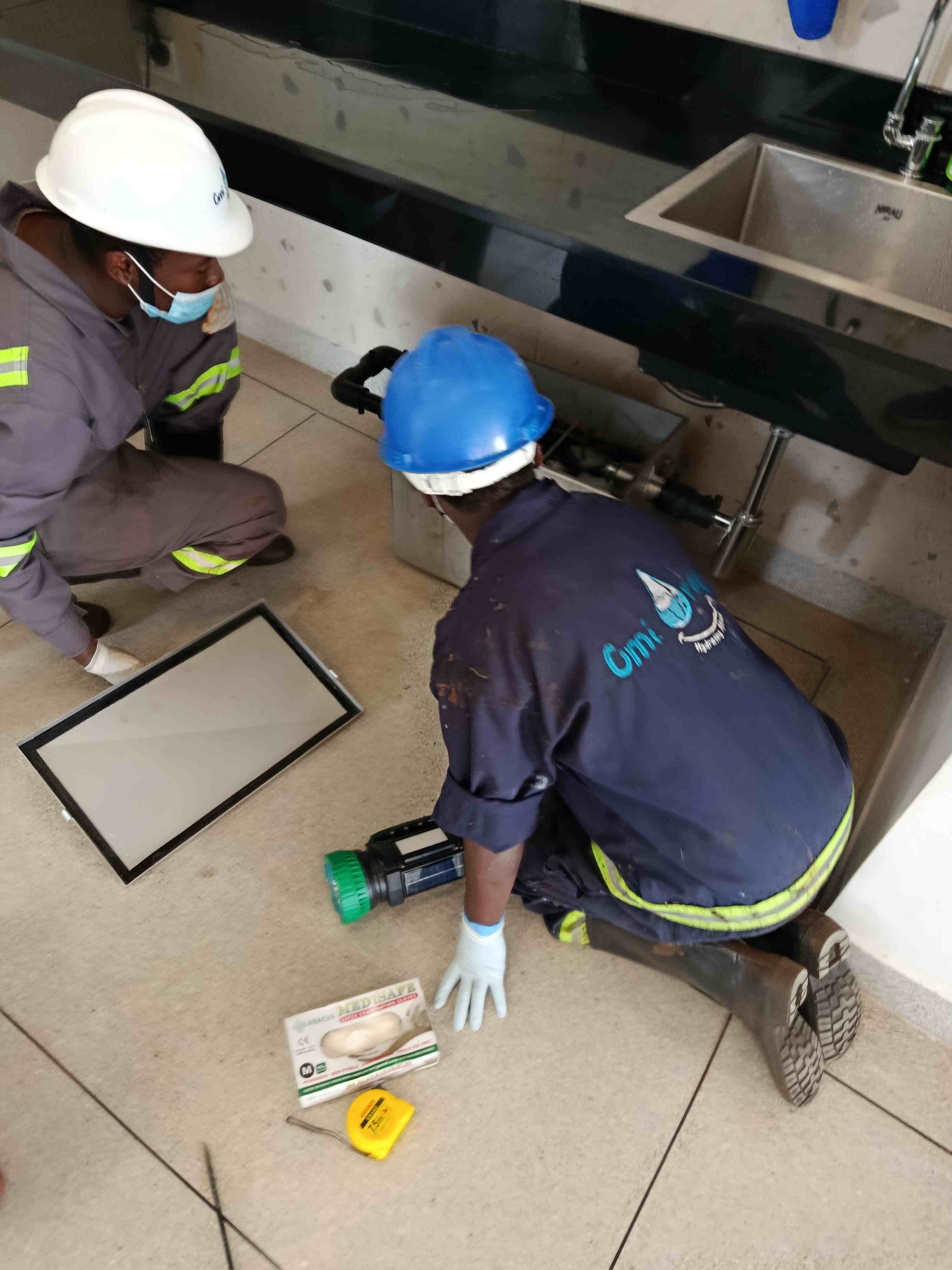
Omidrop Africa on-site for a scheduled grease trap service
Can you clean a grease trap yourself?
For a very small under-sink interceptor, light manual cleaning between professional visits is possible. But any commercial-size trap needs vacuum extraction equipment and licensed disposal that most kitchens simply don't have on hand — and disposing of grease waste improperly is itself a NEMA violation. For anything beyond a small domestic-scale trap, professional service is both safer and the compliant option.
Where does Omidrop Africa offer grease trap cleaning?
We run grease trap and degreasing services nationwide, with same-day dispatch capacity in Nairobi and Mombasa and scheduled coverage across other major towns.
Other kitchen & sanitation services
Ready to book grease trap cleaning?
Tell us your kitchen size and location — we'll confirm a fixed quote and the next available slot, often same-day in Nairobi and Mombasa.