Plastic (HDPE) Septic Tank
High-density polyethylene tanks are lightweight, corrosion-proof, and the fastest to install. Ideal for homes, bungalows, and small apartment blocks. Available from 1,000 to 10,000 litres.
Need a new septic tank installed? We design, supply, and install concrete, plastic (HDPE), and biodigester septic systems for homes, apartments, schools, and commercial premises — anywhere in Kenya.
What We Do
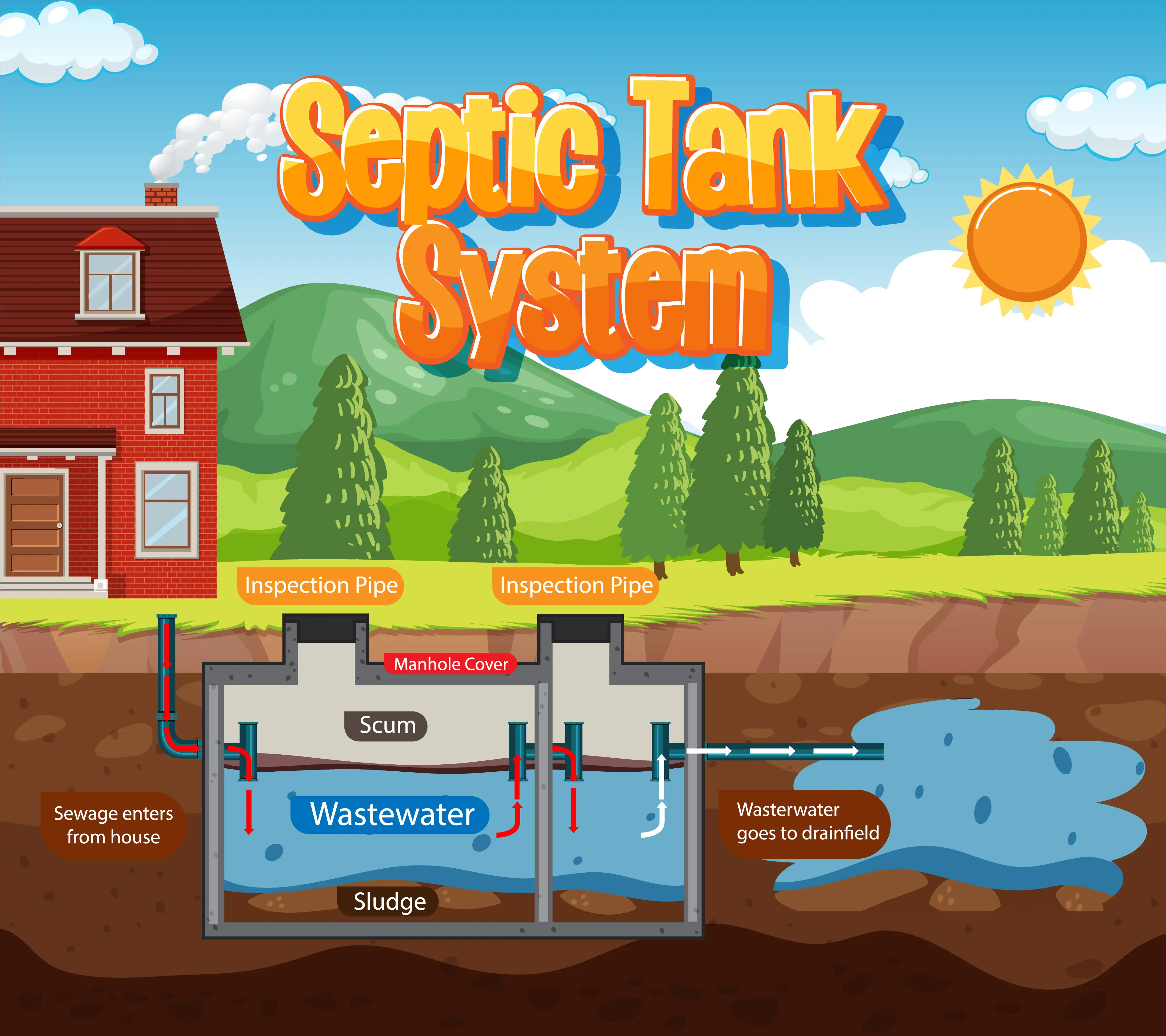
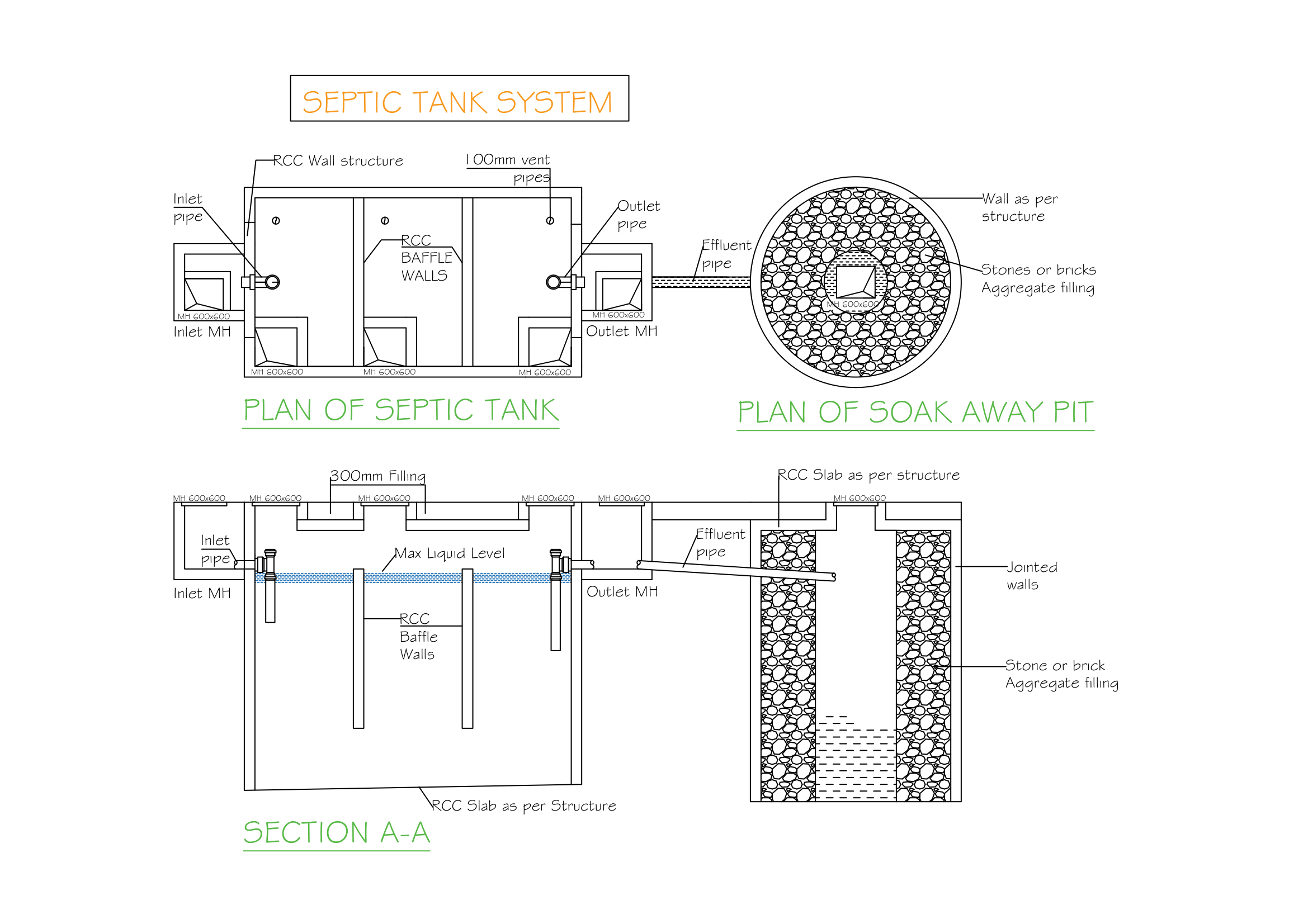
Septic tank installation is the process of designing, excavating, supplying, and fitting an underground sewage treatment system for a property not connected to the public sewer. The system collects, separates, and partially treats wastewater on-site before safely dispersing the effluent into the soil through a soakpit or drainage field.
In Kenya, a correctly installed septic system is a legal requirement for any property outside municipal sewerage — and it must comply with NEMA environmental regulations and county building codes. Getting it wrong means sewage backups, groundwater contamination, and costly repairs.
Omidrop Africa handles the entire process — from soil percolation tests and design, through permit applications, excavation, tank supply, installation, and commissioning — so you get a system built to last and built right.

Why Omidrop Africa
We are not a general contractor who occasionally installs septic tanks. Sanitation is all we do — and we do it to a professional standard every time.
Every installation is led by a qualified engineer with NEMA certification and county approvals. We carry full public liability insurance on all worksites.
We conduct a percolation test on your site before design begins — so the tank and soakpit are correctly sized for your soil type, not guessed at.
NEMA compliance, county building approvals, EIA documentation — we manage the full paperwork so you don't have to chase government offices.
We install in Nairobi, Mombasa, Kisumu, Nakuru, Eldoret, Thika, Kiambu, Kajiado, and 40+ other towns. Urban or rural — we come to you.
We source the tank, the pipework, the rubble, and all fittings. You don't need to coordinate separate suppliers. One call, one contract, one price.
After installation we can manage scheduled exhauster emptying, annual inspections, and emergency call-outs — keeping your system running for decades.
What We Install
We design and install three main septic system types. Our engineer will recommend the best option after assessing your site, budget, and daily wastewater load.
High-density polyethylene tanks are lightweight, corrosion-proof, and the fastest to install. Ideal for homes, bungalows, and small apartment blocks. Available from 1,000 to 10,000 litres.
Cast in-situ or using precast rings, concrete tanks are the most durable option for high-traffic loads and large apartment blocks, commercial buildings, and institutions. Can be built to any capacity.
A biodigester uses micro-organisms to fully break down sewage into water and compost — with no need for exhauster emptying. The treated water can be reused for irrigation. NEMA-approved and ideal for water-scarce areas.
Our Process
Six clear steps from first contact to commissioned system — no hidden stages, no surprises.
Our engineer visits your property to assess soil percolation, groundwater level, drainage gradient, and available space. Free for all confirmed projects.
We design the correct tank size, chamber layout, and soakpit dimensions — and prepare NEMA and county permit documentation on your behalf.
Our crew excavates the tank pit and soakpit trench to approved dimensions, following minimum separation distances from boundaries and water sources.
We supply your selected tank — HDPE plastic, precast concrete, or cast-in-situ reinforced concrete — and connect all inlet, outlet, and vent pipework.
We construct the soakpit with compacted rubble and gravel, install the distribution pipe, and cover with geo-fabric to prevent long-term clogging.
We hydraulically test the entire system, backfill, compact, and issue a completion certificate with a recommended maintenance schedule.
Who We Install For
Yes. We install for every property type in Kenya — from a single house in a rural plot to a multi-storey apartment block in Nairobi's suburbs.

People Also Ask
Can't find your question here? Call us on 0745 426 565 or request a callback and our engineers will advise you directly.
Call NowSeptic tank installation in Kenya typically costs between KES 80,000 and KES 350,000 all-in, depending on tank size, material, soil conditions, and location. A standard 2,000-litre residential HDPE tank starts from KES 80,000 installed. A large reinforced concrete system for a commercial building or apartment block can reach KES 300,000 or more. Contact us for a free site assessment and accurate quote.
A standard residential HDPE septic tank installation takes 1 to 2 days from excavation to commissioning. Larger reinforced concrete systems for apartment blocks or commercial premises take 3 to 7 days. Timeline depends on soil type, tank size, site access, and the complexity of the soakpit design.
Yes. All septic tank installations in Kenya must comply with NEMA environmental regulations and receive county government approval. Commercial or institutional installations may also require a NEMA Environmental Impact Assessment (EIA). Omidrop Africa handles all permit applications and documentation on your behalf as part of our service.
The standard design rule is 150 litres per person per day. A household of 5 people typically needs a 2,000–3,000 litre tank. An apartment block of 20 units needs 10,000 litres or more. Our engineer calculates the correct size during the free site survey, accounting for peak usage and a safety buffer.
Plastic (HDPE) tanks are lighter, faster to install, and corrosion-resistant — ideal for homes and small blocks. They cost less upfront and can be installed in 1–2 days. Concrete tanks are stronger, handle higher loads, and can be built to any capacity on-site. They are the preferred choice for apartment blocks, schools, and commercial properties where long-term durability matters most. Our engineer will recommend the right option for your site.
Yes. Black cotton soil (expansive clay common in parts of Nairobi, Thika, and the Rift Valley) requires a reinforced concrete tank with waterproof internal rendering and careful bedding to prevent cracking. The soakpit may also need to be elevated or designed with an alternative drainage field. Omidrop Africa has extensive experience installing in black cotton zones and designs accordingly.
A soakpit (soakaway) is a rubble-filled pit that receives partially treated effluent from the septic tank and allows it to percolate safely into the surrounding soil. In Kenya, a soakpit is a mandatory component of any standalone septic system not connected to the sewer. Its size depends on a soil percolation test conducted at your site — which Omidrop Africa includes in the site survey.
Kenyan regulations require a minimum of 6 metres between a septic tank (or soakpit) and any water source, borehole, or spring. The tank must also be at least 3 metres from property boundaries and positioned to allow future access by an exhauster truck. Our engineer measures and confirms all separation distances during the site survey.
Where We Work
We install across Kenya — from Nairobi's suburbs to county towns and rural developments. Can't see your area? Call us — we travel.
Don't see your town? Call 0745 426 565 — we serve 50+ towns across Kenya.
Related Services
Call us today for a free site assessment and quote. Our engineers are available 7 days a week across Kenya.